
Why a basic home insurance policy isn't always enough
A standard homeowners policy covers a lot, but not everything. Where basic coverage often falls short, from water and valuables to liability, and how to close the gaps.
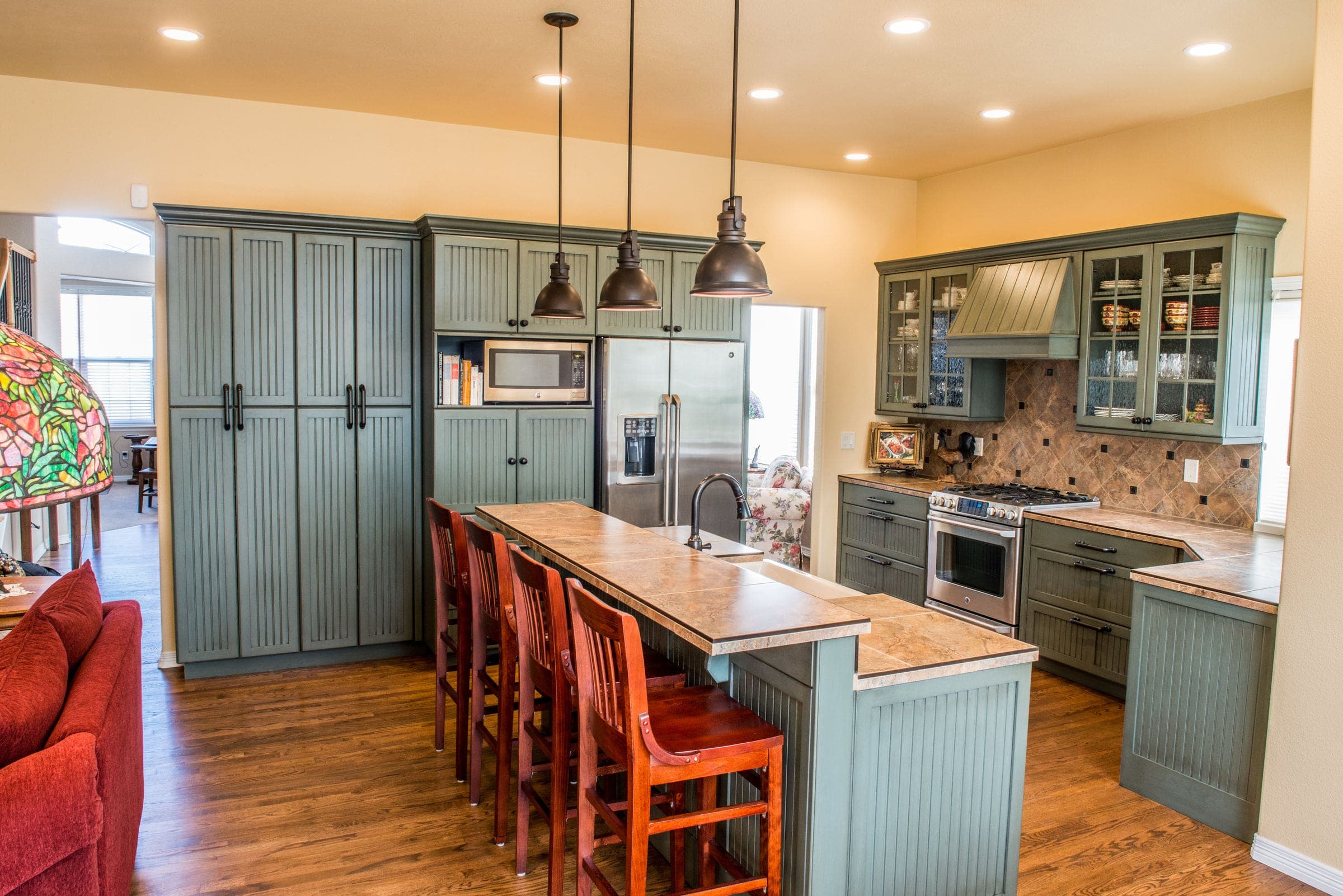
A standard homeowners policy is a solid foundation. It protects the house, your belongings and your liability in one package, and it handles the claims most people are likely to have. But a standard policy is a starting point, not a custom fit. Every policy has limits, exclusions and special rules, and most homeowners discover them for the first time in the middle of a claim.
Here are the gaps we see most often, and how to close them before they matter.
Does your dwelling limit match today's rebuild cost?
Your dwelling coverage should reflect what it would cost to rebuild your home today, not what you paid for it or what it would sell for. Those numbers can be far apart. Construction costs have climbed in recent years, and after a major storm, when a whole region needs roofers and framers at once, they can jump again.
Two endorsements help:
- Extended replacement cost adds a cushion above your dwelling limit if rebuilding costs more than expected.
- Ordinance or law coverage helps pay to bring the rebuilt parts of your home up to current building codes, which matters most for older homes.
Water is the most common surprise.
Water damage is where coverage gets technical. A pipe that bursts suddenly is typically covered. A slow drip under a sink that rots the subfloor over months often isn't, because policies generally exclude gradual damage and wear. Water that backs up through a sewer or drain, or overflows when a sump pump fails, usually needs a separate water backup endorsement. And flooding from rising water outside is excluded entirely; that takes its own flood insurance policy.
Your valuables may have lower limits.
Most policies cover your belongings broadly but cap certain categories, especially for theft. Jewelry, watches, firearms, silverware, collectibles and cash often carry limits well below what they're worth. If you'd be heartbroken to lose it, check the limit. Scheduling an item through valuable items coverage insures it for its appraised value, and depending on the policy it may cover losses a homeowners policy wouldn't, like a diamond that falls out of its setting.
Check, too, whether your belongings are covered at replacement cost or actual cash value. Actual cash value subtracts depreciation, so a ten-year-old sofa pays out like a ten-year-old sofa, not a new one.
Liability that matches what you own.
Many homeowners policies start with $100,000 or $300,000 of personal liability. That can sound like a lot until you add up a serious injury: hospital bills, lost wages and legal costs climb quickly. If your home equity and savings are worth more than your liability limit, consider raising it, and consider a personal umbrella policy on top.
Some homes carry more liability risk than others. A dog, particularly one that has ever bitten, raises it. So do a pool, hot tub or trampoline, and so does a house where friends gather every weekend. Renting out the home, a room or a garage apartment, even for a few weekends a year, can fall outside a standard homeowners policy altogether. Tell us before you list anything.
Situations a standard policy may not fit.
- A home business. Business equipment often has a low limit, and a client hurt at your home office may not be covered.
- A renovation. A big remodel can change your rebuild cost, and your risk while work is underway. Call us before it starts.
- A vacant home. Many policies limit coverage once a home sits empty for a set period.
- Earthquake. Standard policies exclude it. The risk is low across most of the Carolinas, but it isn't zero, and earthquake insurance is available.
A simple yearly check.
Once a year, look at three numbers: your dwelling limit, your liability limit and your deductibles, including any separate wind or hurricane deductible. Then ask what's changed since last year. A new roof, a finished basement, a new dog, an engagement ring or a home office can each change what your policy should look like.
While you're at it, ask about the endorsements you don't have. Water backup, extended replacement cost and ordinance or law come up most, and some carriers also offer equipment breakdown coverage for home systems and appliances, service line coverage for the buried pipes and wires that run to your house, and help with the costs of identity theft. Availability varies by carrier, which is one reason comparing several of them is worth the time.
Let's find your gaps before a claim does.
We'll read your current policy with you, explain what it covers in plain language, and compare homeowners insurance options across the carriers we work with. Schedule an annual insurance review, or request a quote.