
Does your roof affect your homeowners insurance?
Carriers look hard at the roof before they price a home. How age, material, condition and storm deductibles affect your premium and what a roof claim pays.
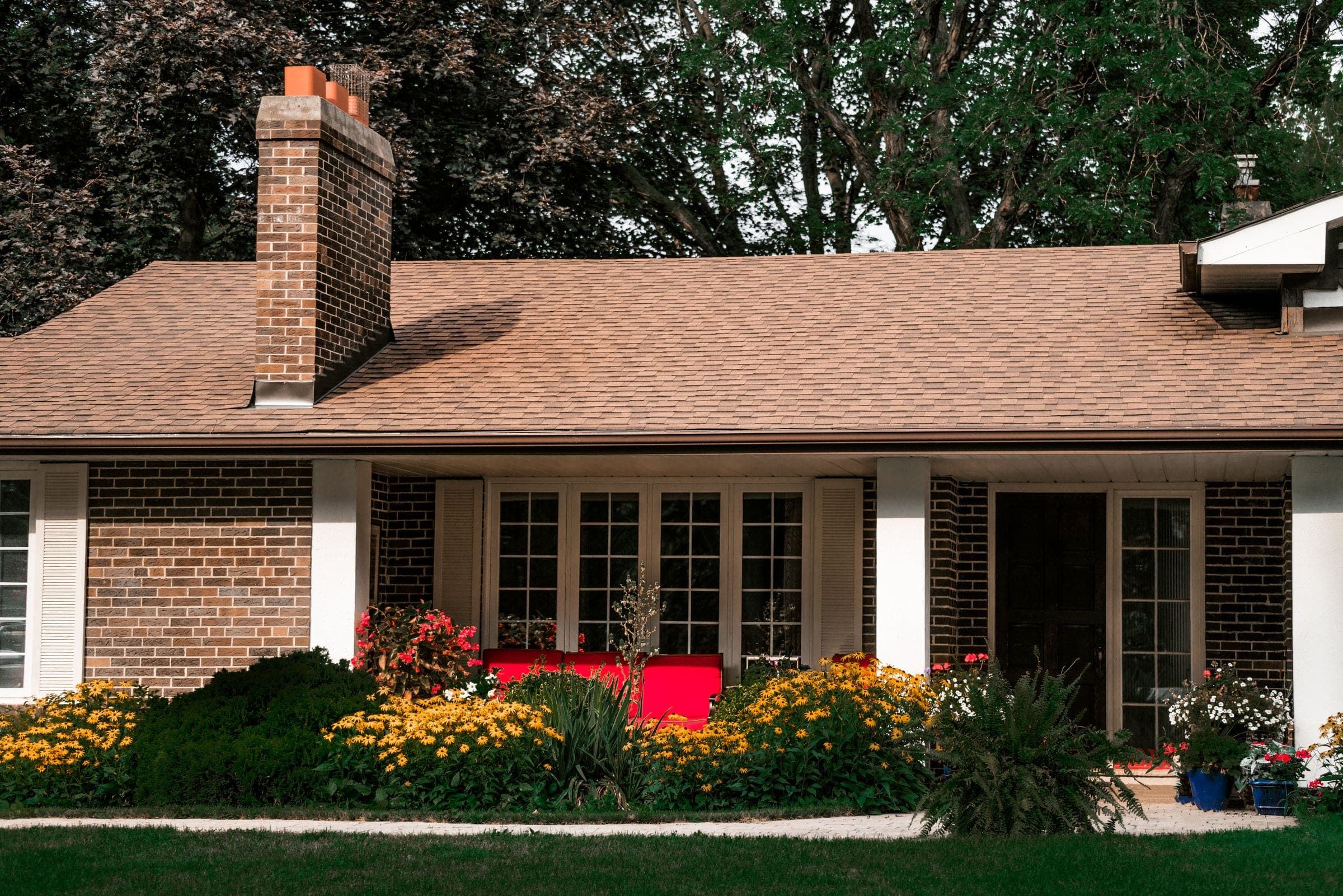
Yes, and often more than people expect. When a carrier prices a homeowners policy, the roof is one of the first things it asks about. That makes sense. The roof takes every summer thunderstorm, every hailstorm and every tropical system that crosses the Carolinas, and when it fails, water gets into everything below it.
Here's what carriers look at, and what you can do about it.
Age comes first.
Most carriers want to know the year your roof was installed or last replaced. As a roof ages, shingles shed their granules, seals weaken, and the odds of a leak or wind damage go up. Carriers price for that. An older roof can mean a higher premium, an inspection before a policy is issued or renewed, or, with some carriers, no offer at all until the roof is replaced.
If you're not sure how old your roof is, find out. A permit record, the roofer's invoice, or the inspection report from when you bought the house can settle it. Documentation matters: a newer roof you can't prove may be rated like an older one.
Age can change what a claim pays.
This is the part many homeowners miss. Some policies pay to replace a damaged roof at today's cost, minus your deductible. Others settle at actual cash value, which subtracts depreciation for the roof's age. Some use a schedule that pays a shrinking percentage of the roof's cost as the years go by.
On a young roof, the difference may be small. On a roof near the end of its life, an actual cash value settlement can leave you paying a large share of a new roof yourself, even after a covered storm. It's worth knowing which kind of roof coverage your policy has before you need it.
Material matters.
Most Carolina homes have asphalt shingles. They're affordable to install and repair, and today's thicker architectural shingles generally hold up better than the flat three-tab style common in older homes. Metal roofs tend to last longer and handle wind well, though some policies exclude cosmetic damage, like hail dents that don't cause a leak. Tile and slate are durable but heavy and costly to replace.
Impact-resistant shingles are rated to take hail better than standard ones, and some carriers recognize that in their pricing. A tougher roof doesn't automatically mean a lower premium, though. Your location, your home's rebuild cost and each carrier's rules all play a part.
Condition counts as much as age.
A well-kept older roof can look better to a carrier than a younger one that's been neglected. Inspectors and underwriters look for:
- Missing, cracked or curling shingles
- Granules collecting in the gutters
- Soft spots, sagging or a wavy roofline
- Stains on the ceilings or in the attic
- Worn flashing around chimneys, vents and skylights
- Moss, or branches resting on the roof
Some carriers now review aerial images of a roof as part of underwriting, so a problem can show up even if nobody climbs a ladder. Small repairs done promptly help prevent bigger claims, and they keep your home easier to insure.
Know your wind and hail deductible.
Many homeowners policies in the Carolinas carry a separate deductible for wind and hail, or for named storms, and it's often a percentage of your dwelling coverage rather than a flat dollar amount. Because the roof is usually the first thing a storm damages, that's the deductible most likely to apply to a roof claim. Work out what it is in dollars, so a storm doesn't surprise you twice.
Upgrades that can help.
If you're replacing a roof anyway, ask your roofer about features that resist wind: a sealed roof deck, stronger nailing, and better connections between the roof and the walls. Some carriers offer credits for roofs built or retrofitted to a recognized wind-resistant standard, especially near the coast. Keep the paperwork, since a credit usually depends on documentation.
When you replace your roof, tell us.
Don't wait for renewal. A new roof can change your premium, how a roof claim would be paid, and which carriers will write your home. And if your carrier raises your rate or declines to renew because of the roof, that doesn't have to end the conversation. Carriers weigh roof age and condition differently, and as an independent agency we can see how several of them view the same house.
Let's look at your roof and your policy together.
Gather what you have: the roof's age, any inspection report, and receipts for repairs or a replacement. We'll review how your current policy treats the roof and compare homeowners insurance options across the carriers we work with. Request a quote to get started.