
Renters insurance 101: what to know before you sign a lease
Your landlord's policy covers the building, not your things. What renters insurance covers, what it leaves out, and how first-time renters can choose the right amount.
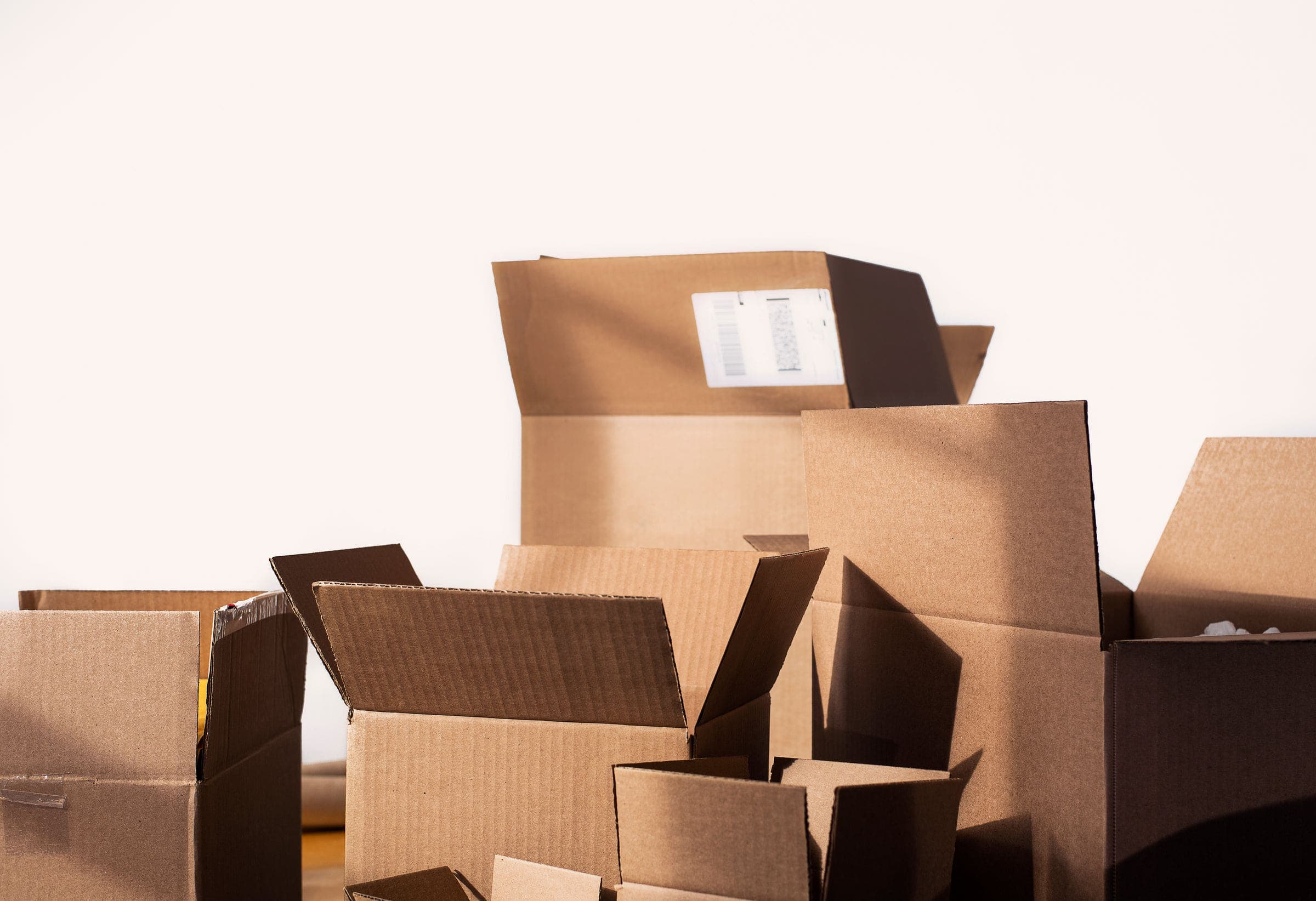
Signing your first lease comes with a checklist: the deposit, the utilities, the internet, a couch that fits through the door. Renters insurance belongs on that list too. It's one of the simplest policies to set up, and it protects more than most first-time renters realize. Many landlords now require it, so check the lease for that before you get the keys.
Your landlord's policy isn't for your things.
This is the most common misunderstanding. Your landlord insures the building. That policy generally won't pay for your laptop, your clothes or your bike if they're stolen or ruined, and it won't protect you if someone is hurt in your apartment. Without a policy of your own, replacing your things comes out of your pocket.
What renters insurance covers.
A renters policy typically includes four main protections:
- Your belongings, against covered causes like fire, smoke, theft, vandalism and sudden water damage from a burst pipe. Coverage usually follows your things, so a laptop stolen from your car or a suitcase taken on a trip may be covered too.
- Liability, if a guest gets hurt at your place or you cause accidental damage to property that isn't yours. That includes the building itself: a kitchen fire you start can lead to a claim from your landlord's insurer.
- Additional living expenses, if a covered loss makes your place unlivable, to help pay for somewhere to stay during repairs.
- Medical payments to others, for minor injuries to guests, whether or not you were to blame.
What it usually doesn't cover.
- Flood, which takes a separate flood insurance policy; renters can buy coverage for their belongings alone.
- Earthquake.
- Your car, which belongs on your auto insurance. Things stolen from the car are a renters question; damage to the car is an auto one.
- Your roommate's belongings.
- Bedbugs, pests, and ordinary wear and tear.
- Valuables above your policy's special limits, like jewelry, watches or camera gear, unless you schedule them.
How much coverage to choose.
Start by adding up what you own. Most people are surprised. Furniture, clothes, electronics, kitchen gear, bikes and sports equipment add up fast, and a quick inventory gets you a realistic number.
Then make three choices:
- Replacement cost or actual cash value. Replacement cost pays what it takes to buy the item new today. Actual cash value subtracts depreciation, so a three-year-old TV pays out like a used one. Replacement cost adds a little to the premium, and for most renters it's the better fit.
- Your deductible. A higher deductible lowers the premium, but choose one you could pay without strain.
- Your liability limit. Your lease may set a minimum. If you have savings or a dog, think about going higher.
Your landlord may also ask to be listed as an interested party on the policy, so they're notified if it lapses. That's simple to add.
Roommates need their own policies.
If you share a place, don't assume one policy covers everyone. Usually every roommate should carry a separate policy for their own belongings and their own liability. Sharing a policy can also mean sharing a claim history with someone you may not be living with next year.
Students and first apartments.
If you're a college student living in a dorm, your parents' homeowners policy may extend limited coverage to your belongings. That often changes once you move into an off-campus apartment, so check before you count on it. Whether you're moving near campus in the Triangle or into your first place in Charlotte, it's a quick question to settle.
Pets, bundles and other details.
If you have a dog, ask whether your policy's liability coverage applies to it; carriers vary on breeds and bite history. If you also have a car, putting renters and auto with the same carrier may earn a multi-policy discount. And if you work from home, ask how much coverage applies to equipment you use for work.
Make a quick inventory.
During move-in week, while everything is still easy to see, walk through with your phone and take photos or a video of what you own. Note serial numbers on electronics and keep receipts for bigger purchases. Save it all somewhere outside the apartment, like a cloud account. If you ever have a claim, that record will save you hours.
Let's get you covered before move-in day.
We can compare renters insurance options across the carriers we work with and help you get the proof of insurance your landlord asks for. Request a quote, and check back with us whenever your lease renews or you change addresses.