
The difference between condo insurance and home insurance
A homeowners policy covers the whole house. A condo policy covers what the association's master policy doesn't. How the two fit together, and where condo owners find gaps.
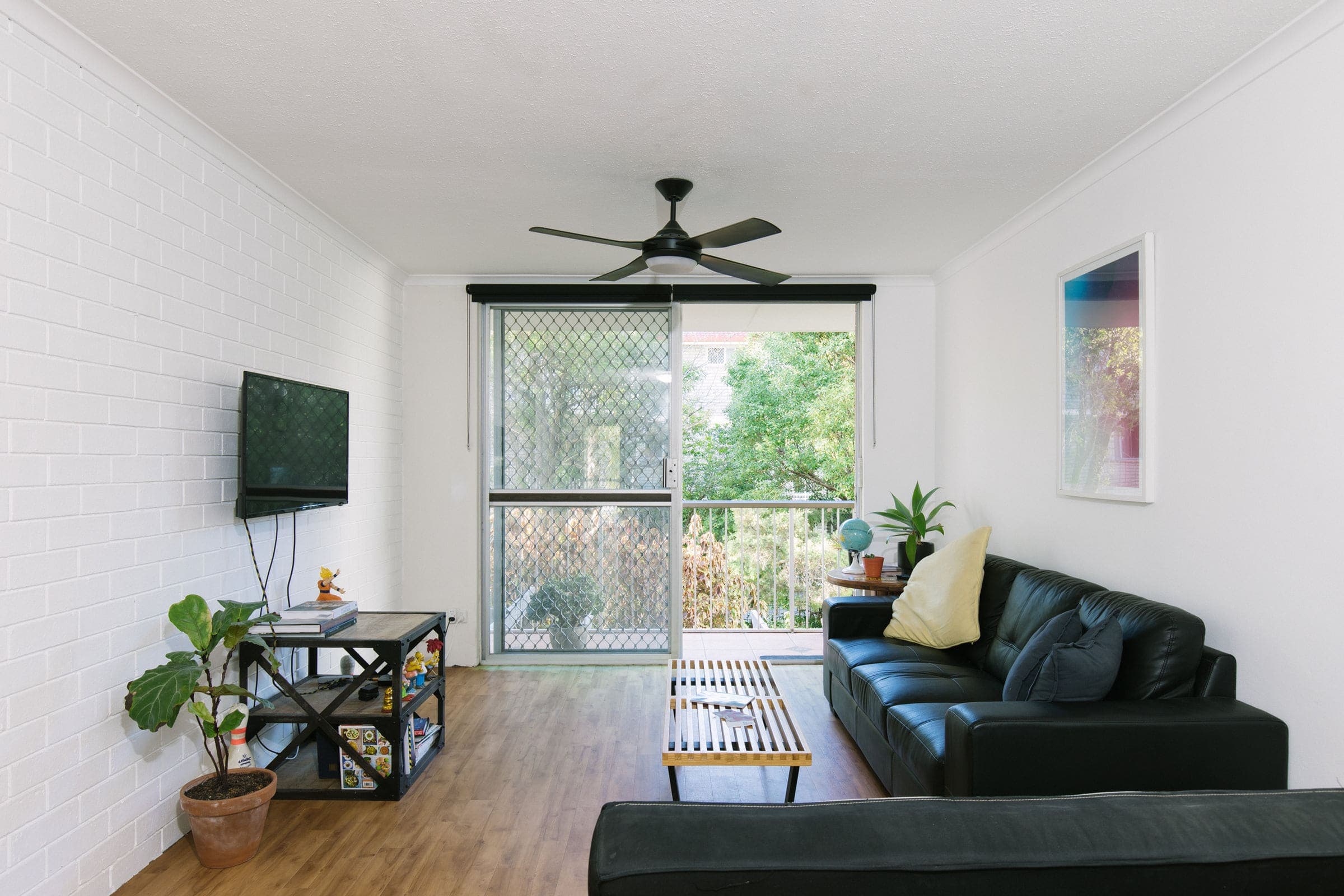
When you own a house, you own the whole thing: the roof, the walls, the yard and the fence, and you insure all of it. When you own a condo, you share the building with your neighbors and an association, and the insurance is split between you. Knowing where that line falls is the key to buying the right policy.
What a homeowners policy covers.
A homeowners policy is built for someone who owns the structure and the land under it. It typically covers:
- The house itself, from the foundation to the roof
- Other structures, like a detached garage, a shed or a fence
- Your personal belongings
- Additional living expenses if a covered loss makes the home unlivable
- Personal liability if someone is hurt on your property or you damage someone else's
What a condo policy covers.
A condo policy, often called an HO-6, is built to fill in around your association's coverage. It typically includes:
- Your belongings: furniture, clothing, electronics and everything else you own.
- Your part of the building: depending on your association's documents, that can include interior walls, flooring, cabinets, fixtures and improvements you've made.
- Loss of use: living expenses while your unit is repaired after a covered loss.
- Personal liability: if someone is hurt in your unit, or you're responsible for damage to a neighbor's.
- Loss assessment: your share of a charge the association passes on to owners after a covered loss.
Start with the master policy.
Your association carries a master policy on the building and the common areas: the roof, exterior walls, hallways, grounds, and amenities like a pool or fitness room. How far that policy reaches into your unit decides how much coverage you need for the unit itself. Master policies generally come in three types:
- Bare walls: covers the structure and common areas, but little or nothing inside the walls of your unit.
- Single entity: also covers the fixtures and finishes as originally built, like the original cabinets, counters and floors.
- All-in: covers those original features plus improvements owners have made since.
Even with an all-in master policy, you need your own coverage for your belongings and your liability. And upgrades you've made, like new floors or a remodeled kitchen, may be yours to insure. Ask your association for a summary of the master policy and the part of the bylaws or declaration that says who insures what, then bring both to us.
Don't skip loss assessment coverage.
If damage to the building exceeds the master policy's limits, or the association faces a large deductible, it can split the cost among owners with a special assessment. Master policy deductibles can be large, especially wind and named storm deductibles on buildings near the coast. Loss assessment coverage on your condo policy can help pay your share of a covered loss, up to its limit. Many policies include a modest amount by default, so ask about a higher limit if your building carries a big deductible.
Water between units.
In a condo, your water problem can become your neighbor's, and theirs can become yours. If a supply line bursts upstairs and soaks your ceiling, who pays depends on the cause, the master policy and your association's rules. Your condo policy typically covers your belongings and your part of the unit, and its liability coverage can respond if you're found responsible for water that damages someone else's unit.
Flood, and life near the water.
Neither the master policy nor your condo policy typically covers flood. Some associations carry flood coverage on the building, but it generally doesn't extend to owners' belongings. If you own a ground-floor unit, or a condo at the beach or near a lake or river, look at contents coverage under a separate flood insurance policy.
Renting out your unit.
If you rent your condo to long-term tenants or short-term guests, your coverage needs change, and a standard condo policy may not fit a unit you don't live in. Talk with us before the first guest arrives, and look at rental property insurance. Check your association's rental rules while you're at it.
Townhomes are their own question.
A townhome can go either way. Some townhome owners own the structure and the lot, and need a homeowners policy. Others are legally condos, with an association insuring the building. Your deed and association documents say which, and the answer changes the policy you need. With so many new townhome communities going up around Raleigh and Charlotte, it's a question worth settling before you close.
Let's read the master policy together.
Bring your association's master policy summary, and we'll show you where it stops and your own coverage needs to start, then compare condo insurance options across the carriers we work with. Request a quote to get started.